
Trademark Protection for Fashion Brands in India: 2026 Guide
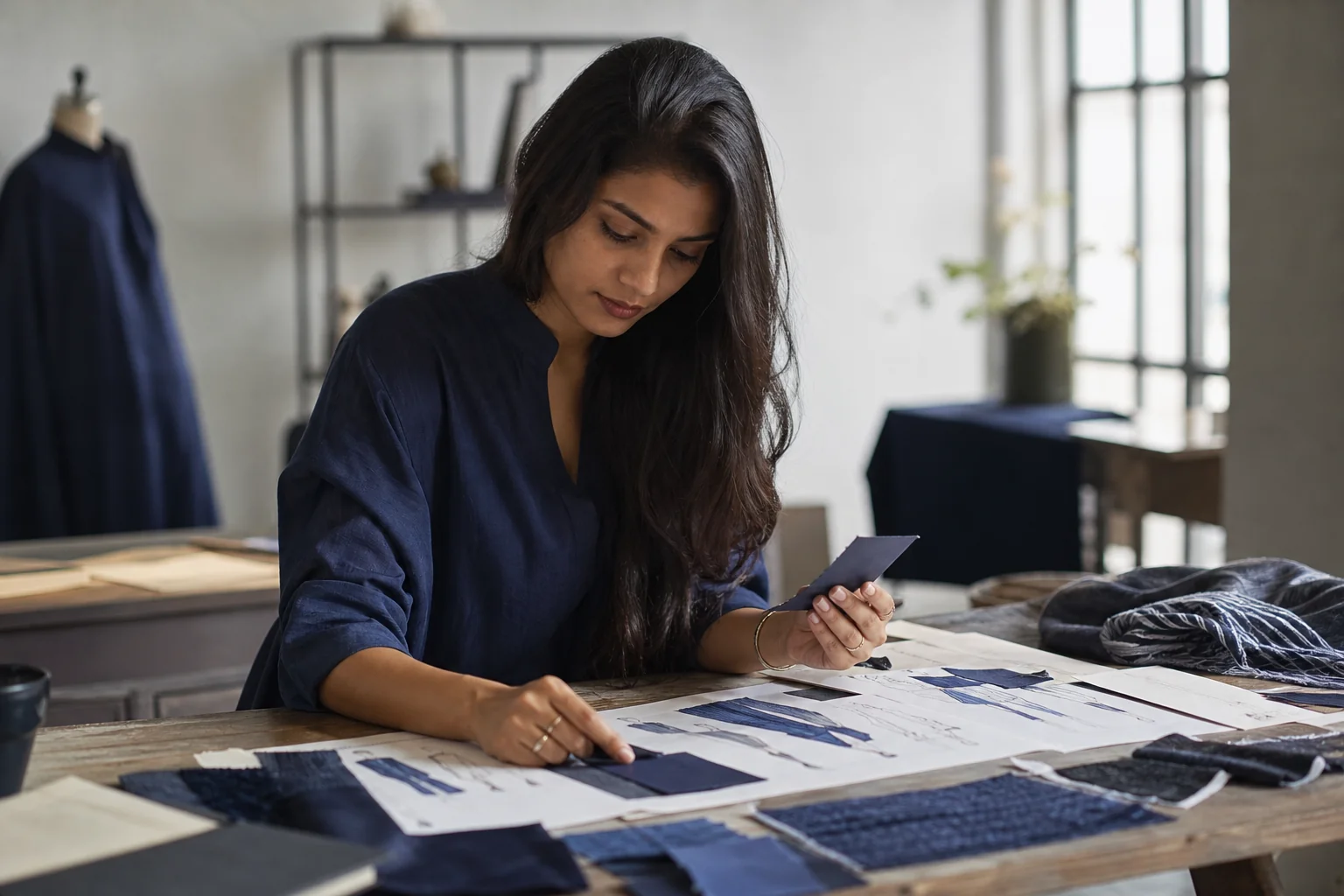
A print designer in Jaipur once found her exact floral motif, the one she had drawn by hand for a spring collection, printed on garments being sold by three different sellers on a single marketplace within six weeks of her lookbook going live. None of them used her brand name. None of them needed to. The print alone was doing the selling, and she had no registration covering it. This is the specific gap that catches most apparel businesses off guard: trademark protection for fashion brands in India is often treated as a single filing, when in practice it is a set of overlapping protections that each cover a different asset.
Fashion moves faster than almost any other consumer category. A silhouette, a print or a label design can be copied and listed for sale within days of a launch, well before a single trademark application clears examination. For apparel, accessories and footwear businesses operating out of Jaipur or anywhere else in India, understanding which legal tool protects which asset, and when to use each one, is the difference between owning a brand and watching it get diluted by lookalikes.
Why Fashion Brands Face a Different Kind of IP Risk
Most industries protect one or two core assets. A software company protects its code and sometimes a patented process. A fashion brand protects a name, a logo, a tagline, a fabric print, a garment silhouette, packaging, and sometimes a signature stitching pattern, all at once, and all of it is visible to a competitor the moment it hits a store shelf or an Instagram feed.
That visibility is the core problem. Unlike a manufacturing process or a piece of software architecture, a garment's design cannot be hidden behind a factory wall. It is on display from the day it launches, which means copying can start immediately and does not require any technical reverse engineering. A competitor only needs a photograph.
Because of that, a single trademark registration covering the brand name rarely covers the full commercial value of a fashion line. The name identifies the source. It does nothing to stop someone from copying the actual garment, the print, or the packaging get-up, if those elements are not separately registered. Building durable protection means treating the brand name, the logo, the artistic works and the product's visual design as four different legal questions, not one.
Common IP Pitfalls Fashion and Apparel Brands Run Into
Certain mistakes show up again and again in fashion and apparel disputes. Recognising them early is usually cheaper than fixing them after a launch.
- Knockoffs that avoid the brand name entirely. A competitor copies the silhouette, the cut, or the print, and skips the logo altogether. Since no trademark is being infringed, brands that only hold a wordmark registration often find they have no direct claim unless the garment's appearance was separately protected as a design.
- Look-alike labels and packaging. Font styles, colour combinations and hangtag layouts get mimicked closely enough to create confusion at the point of sale, without copying the registered mark exactly. This is a classic trade dress and passing-off issue, and it is rarely covered by a plain wordmark filing.
- Marketplace counterfeiting. Sellers on e-commerce platforms list products using the brand's actual registered name or a confusingly similar spelling, riding on existing search traffic and customer trust built by the original brand.
- Delayed filing during the early growth phase. Many founders wait until a brand has "proven itself" before filing a trademark application, reasoning that early revenue does not justify the legal spend. Competitors and even unrelated third parties can file for a similar mark in the meantime, forcing the original brand into an opposition proceeding it did not need to have. For a closer look at this filing sequence, see how to approach it in how to register a trademark for startups in India.
- Treating the logo and the wordmark as a single filing. A stylised logo and the underlying brand name are legally distinct marks. Filing only the combined logo device can leave the plain name unprotected if a competitor changes the font or colour but keeps the words.
Building a Layered IP Strategy for a Fashion Brand
The practical answer to these pitfalls is a layered approach rather than a single filing. Four legal tools tend to work together for an apparel or accessories business.
Trademarks for the Brand Identity
The brand name, the logo device, and any tagline used consistently in marketing should each be filed as separate trademark applications, typically across more than one class relevant to the business (clothing itself, retail sale of clothing, and sometimes leather goods or bags).
Design Registration for the Garment's Appearance
Where a silhouette, a shoe sole pattern, a bag shape, or a distinctive surface ornamentation is genuinely novel, it can qualify for registration as an industrial design under the Designs Act, 2000. This protects the visual appearance of the article itself, independent of any brand name attached to it. It is a separate registration from a trademark and has its own novelty requirements and a limited term.
Copyright for Original Artistic Work
Hand-drawn prints, textile patterns, embroidery motifs and lookbook or campaign photography are original artistic works under the Copyright Act, 1957, and copyright can exist in them from the moment of creation. Registration is not mandatory for protection to arise, but a registration certificate makes enforcement considerably more straightforward, particularly when sending a notice or pursuing a court remedy.
Trade Secrets for Process-Level Advantages
Dyeing formulas, sourcing relationships, fabric treatment processes or production techniques that give a brand a quality or cost advantage are usually better protected as trade secrets rather than through any public registration, since registration would require disclosure. A structured confidentiality approach matters here just as much as it does in other industries; the general principles are covered in how outsourced general counsel support helps growing businesses manage this kind of ongoing legal exposure.
None of these four layers substitutes for another. A trademark registration does not stop a print from being copied. A design registration does not stop a competitor from using a similar brand name. The value of the layered approach is that each tool closes a gap the others leave open, so a competitor cannot simply route around a single registration by changing one element.
Trademark Classes and Filing Considerations Specific to Fashion
Under the Nice Classification system used by the Indian Trade Marks Registry, fashion and apparel businesses most commonly need to consider:
- Class 25 — clothing, footwear and headgear. This is the primary class for most apparel brands.
- Class 18 — leather goods, bags, wallets and similar accessories, relevant for brands that extend beyond garments.
- Class 35, advertising and retail services, which matters for brands selling directly through their own e-commerce storefronts or physical retail, since it covers the retail and marketing activity rather than the goods themselves.
A brand selling both garments and bags under one name typically needs filings across at least two classes to get full coverage. Filing in only one class because it seems sufficient at launch is a common way brands end up with gaps once the product line expands.
On the filing strategy itself, a plain word mark application (protecting the name in any font or styling) generally offers broader protection than a combined logo-plus-name filing, because the combined filing is assessed on the overall visual impression, not just the words. Most established fashion brands eventually file both: a word mark for the name and a separate device mark for the logo as it is actually used, so that either element can be enforced independently.
Once filed, an application moves through formalities checking, examination by a Trade Marks Registry examiner, publication in the Trade Marks Journal for opposition, and, if unopposed, registration. This process commonly takes over a year from filing to registration in the ordinary course, and longer if the mark is opposed. Filing early, well before a launch or a funding round, gives the application a head start on this timeline.
Trademark vs Design Registration vs Copyright: What Protects What
Because these three protections are frequently confused with one another, a side-by-side comparison is useful before deciding what to file for a specific fashion asset.
| Protection | What It Covers | Governing Law | Typical Fashion Use Case | Approximate Term |
|---|---|---|---|---|
| Trademark | Brand name, logo, tagline, and other source-identifying marks | Trade Marks Act, 1999 | Protecting the brand name and logo used on labels, tags and marketing | 10 years, renewable indefinitely |
| Design Registration | The visual appearance, shape, pattern or ornamentation of a physical article | Designs Act, 2000 | Protecting a garment silhouette, shoe sole pattern, bag shape or surface print applied to a product | Up to 15 years (10 years plus a 5-year extension) |
| Copyright | Original artistic, literary or photographic works | Copyright Act, 1957 | Protecting textile print artwork, embroidery motifs, lookbooks and campaign photography | Author's lifetime plus 60 years (for most artistic works) |
The overlap zone that causes most confusion is a fabric print or a garment's surface pattern. That print may qualify as an original artistic work under copyright from the moment it is drawn, and separately, once it is applied to an article produced in bulk through an industrial process, it may need design registration to retain protection under design law rather than copyright, depending on how many units are produced. This is a nuanced area under Indian law and is exactly the kind of question worth raising with counsel before finalising which registration route to pursue for a given print or pattern.
Tackling Knockoffs and E-Commerce Counterfeiting
Registration is the foundation, but enforcement is what actually stops the copying. Fashion brands in India typically have several tools available once infringement is identified.

Cease and Desist Notices
A well-drafted notice, referencing the specific registration relied upon and the specific instance of infringement, is often the fastest and least expensive first step. Many disputes resolve at this stage without litigation, particularly where the infringing seller is a smaller operation without the resources to contest a claim.
Platform Takedown Requests
Most major e-commerce platforms operating in India maintain IP complaint mechanisms that allow a rights holder to request removal of listings that infringe a registered trademark or copyright. Acting quickly and keeping registration certificates ready speeds this process considerably.
Customs Recordal
Brands with import or export exposure can record their registered trademark with Indian customs authorities under the Intellectual Property Rights (Imported Goods) Enforcement Rules, allowing customs officials to intercept suspected counterfeit shipments at the border rather than after they reach the market.
Civil Suits for Infringement and Passing Off
Where notices and takedowns do not resolve the issue, a civil suit for trademark infringement (where a registered mark exists) or passing off (where the claim rests on reputation and get-up rather than registration) can seek injunctions, damages and account of profits. Courts in India, including through the Commercial Courts framework, have granted interim injunctions in appropriate fashion and apparel disputes where a strong prima facie case of copying is shown.
For copyright-specific infringement involving copied prints or artwork, the notice-and-enforcement process has its own procedural nuances, covered in more depth in a related discussion on registering and enforcing brand assets for growing businesses.
Practical Monitoring Steps
- Set up periodic searches of major marketplaces and search engines for the brand name and close variants
- Watch the Trade Marks Journal for similar mark applications in relevant classes
- Keep registration certificates and design certificates organised and readily accessible for rapid enforcement action
- Document instances of copying with dated screenshots and purchase records as evidence
Frequently Asked Questions on Trademark Protection for Fashion Brands in India
Can I trademark just my logo without the brand name?
Yes, a logo can be filed as a device mark on its own. However, filing only the logo leaves the underlying brand name unprotected in plain text form. Most fashion businesses benefit from filing both the word mark and the device mark separately for complete coverage.
How long does trademark registration take for a clothing brand in India?
From filing to registration, the process commonly takes over a year where the application proceeds without opposition, and longer where a third party opposes the mark during the publication period. Filing well ahead of a product launch helps avoid gaps in protection during this window.
Do I need a separate design registration if I already have a trademark?
Generally yes, if the goal is to stop copying of the garment's actual appearance rather than just its brand name. A trademark protects the name and logo. It does not, on its own, prevent a competitor from producing a visually similar garment that carries a different name. A design registration addresses that gap.
What happens if a competitor in another Indian state uses a similar label?
A registered trademark provides protection across India, not just in the state where the business is based. Enforcement action, whether a notice or a civil suit, can be pursued against infringement occurring anywhere in the country, though coordinating action across states often benefits from local counsel familiar with the relevant jurisdiction.
Can an NRI designer register a trademark in India remotely?
Yes. Trademark applications can be filed and prosecuted through counsel in India without the applicant being physically present, and consultations can be conducted virtually. This is a common arrangement for designers and fashion entrepreneurs based outside India who want to protect a brand ahead of an Indian launch.
Putting the Strategy in Place with the Right Counsel
Fashion and apparel disputes sit at the intersection of trademark, design and copyright law, and rarely fit neatly into just one of those categories. A brand that only consults a lawyer when it files a trademark, and treats design registration or copyright as an afterthought, often discovers the gap only after a knockoff has already reached the market.

Riva Legal Associates, led by principal advocate and registered patent agent Richa Vaishnav, advises businesses in the entertainment and fashion sectors on exactly this kind of layered IP planning, coordinating trademark filings, design registrations, and copyright protection as parts of one coherent strategy rather than separate, disconnected filings. The firm also supports clients across Indian states through associated local counsel, which matters for fashion brands selling through marketplaces and retail partners spread across multiple jurisdictions, and offers virtual consultations for NRI designers and founders managing an Indian launch from abroad.
Whether a fashion business needs a one-time trademark and design filing ahead of a launch, or ongoing retainer support to monitor and enforce against knockoffs as the brand grows, the right structure depends on the stage the business is at and how much is riding on the next collection. If a full retainer feels premature, a standalone filing or contract review is a reasonable starting point, and the comparison of those two approaches is discussed in this guide on outsourced general counsel for growing businesses.
Riva Legal Associates is an intellectual property practice at Jagatpura, Jaipur, Rajasthan, led by Richa Vaishnav, advocate. The areas of practice handled by the firm are listed on its practice areas page.
The Bar Council of India does not permit advertisement or solicitation by advocates in any form or manner. This article is published for general informational purposes only, at the reader's own request, and should not be interpreted as soliciting or advertisement. It does not constitute legal advice, and reading it does not create a lawyer-client relationship. Readers must in all cases seek independent legal advice on their own facts. Statutory fees, forms and timelines change; verify current requirements with the Office of the Controller General of Patents, Designs and Trade Marks before acting. See the firm's full disclaimer.