
Patent Costs for Entertainment Tech Startups: 2026 Guide
A streaming platform's video compression method, a multiplayer game engine's synchronisation logic, and an AV mixer's noise-cancellation circuit can all sit within patentable subject matter in India, but each faces a different cost path. Patent protection for entertainment technology startups in India is shaped less by a fixed price list and more by how technical the invention is, how many claims it needs, and how the application performs at examination under the Patents Act, 1970.
Key Takeaways
- Fee stages, not one fee: Filing, examination request, and grant/renewal fees are charged separately, and each stage can trigger further professional cost if objections arise.
- Section 3(k) is the recurring hurdle: Computer programs "as such" are excluded from patentability, so entertainment tech applications involving software need to demonstrate a concrete technical effect, which usually means more drafting and response work.
- Complexity drives professional fees more than government fees do: A codec or rendering engine with layered claims typically needs more attorney and agent time than the statutory fee itself.
- Prosecution commonly runs several years: Time from filing to grant depends on the examination queue and how many rounds of objection-response are needed, not on any assurance from an agent.
- DPIIT-recognised startups pay a reduced government fee at the filing and examination stages, a rebate covered in detail in the Patent Filing Cost & Process in India 2026 guide.
At a Glance: Cost Components for Entertainment Tech Patents
| Cost Component | When It Applies | What Typically Drives It Up |
|---|---|---|
| Patent search (prior art) | Before drafting | Crowded fields like video codecs or game mechanics need a wider search |
| Specification drafting | Before filing (provisional or complete) | Number of claims, technical diagrams, and software architecture detail |
| Government filing fee | At filing, per applicant category | Entity type (startup, small entity, or other); reduced for DPIIT-recognised startups |
| Request for examination fee | Within the statutory window after filing | Fixed by entity category, not by invention complexity |
| Objection response / hearing | After the first examination report | Section 3(k) objections on software-linked claims often need multiple rounds |
| Grant and renewal fees | On grant, then annually | Number of claims at grant; renewal fees rise as the patent term progresses |
What Counts as Patentable in Entertainment Technology
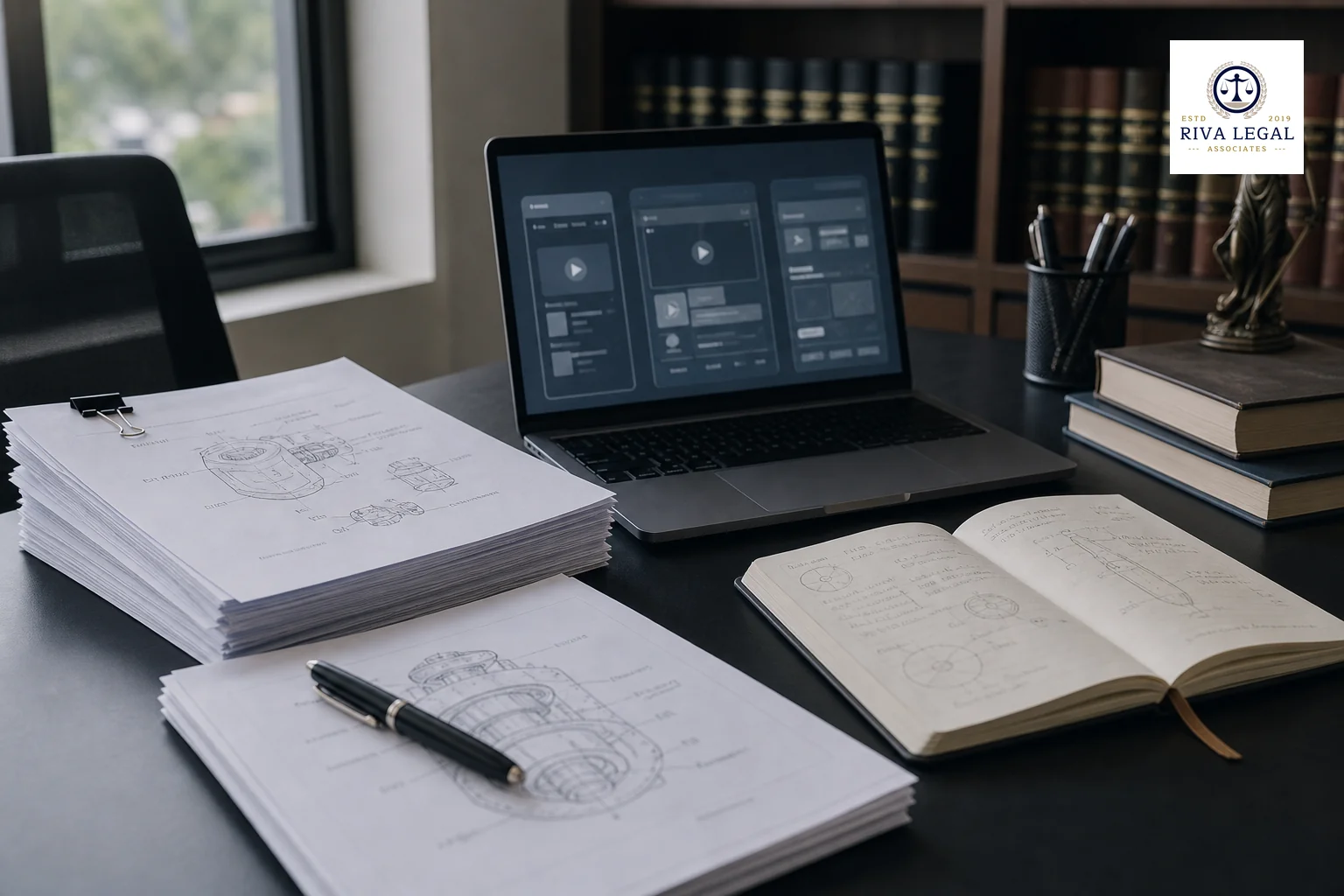
An invention in this sector is patentable when it produces a technical effect beyond an abstract algorithm, such as a specific method that reduces buffering latency, compresses video more efficiently, or synchronises input across networked game clients. A slogan, a business model, or a generic content-recommendation idea without a technical implementation generally will not qualify.
Entertainment technology startups commonly explore protection for video and audio compression or transmission methods, real-time rendering or physics engines used in games, adaptive streaming bitrate logic, AV signal processing hardware or firmware, and interactive content-delivery mechanisms tied to specific technical architecture.
Section 3(k) of the Patents Act, 1970 excludes "a mathematical or business method or a computer programme per se" from patentability. This is the single most consequential provision for this sector, because so much entertainment technology is expressed in software. An application drafted around what the software achieves technically, rather than the code itself, tends to face fewer objections at examination.
The distinction between a patentable technical solution and an excluded "computer programme per se" is assessed by the Controller on the facts of each application, and outcomes are not something any agent or attorney can guarantee in advance.
Fee Components Under the Patents Act, 1970
Patent costs in India break into government fees, fixed by the Patents Rules, and professional fees for search, drafting, and prosecution. The government fee schedule differs by applicant category: natural person or DPIIT-recognised startup, small entity, or other entity such as a large company.
At filing, the applicant pays a fee for either a provisional or complete specification. A request for examination fee follows, payable within the statutory period from the filing date. If the application draws objections, responding may involve further drafting work and, in some cases, a hearing before the Controller. Once granted, renewal fees are due annually to keep the patent in force.
A full breakdown of these government fee slabs, entity categories, and the DPIIT rebate mechanics is covered separately in the Patent Filing Cost & Process in India 2026 article. This guide focuses on what pushes costs up or down specifically for entertainment technology inventions, rather than repeating that general fee table.
What Drives the Budget for Entertainment Tech Patents Specifically
Two applications filed on the same day, under the same fee schedule, can cost very differently once professional time is counted. For entertainment technology, a handful of factors tend to matter most.
Technical Complexity of the Underlying Invention
A codec that alters bitstream compression at a granular technical level needs a specification detailed enough to withstand scrutiny under Section 3(k). Drafting this kind of application takes longer than drafting for a simpler mechanical AV accessory, and that time is reflected in professional fees rather than government fees.
Number and Structure of Claims
Broader claim sets covering multiple embodiments, such as a rendering method that also covers a corresponding device and a data structure, add drafting time and can affect fees calculated per claim at certain stages, including at grant.
Section 3(k) Objections on Software-Linked Claims
Because so much entertainment technology is software-implemented, examination reports frequently raise objections under this section. Each response cycle, and any resulting hearing, adds professional cost beyond the original filing.
Multiple Related Filings Across a Platform
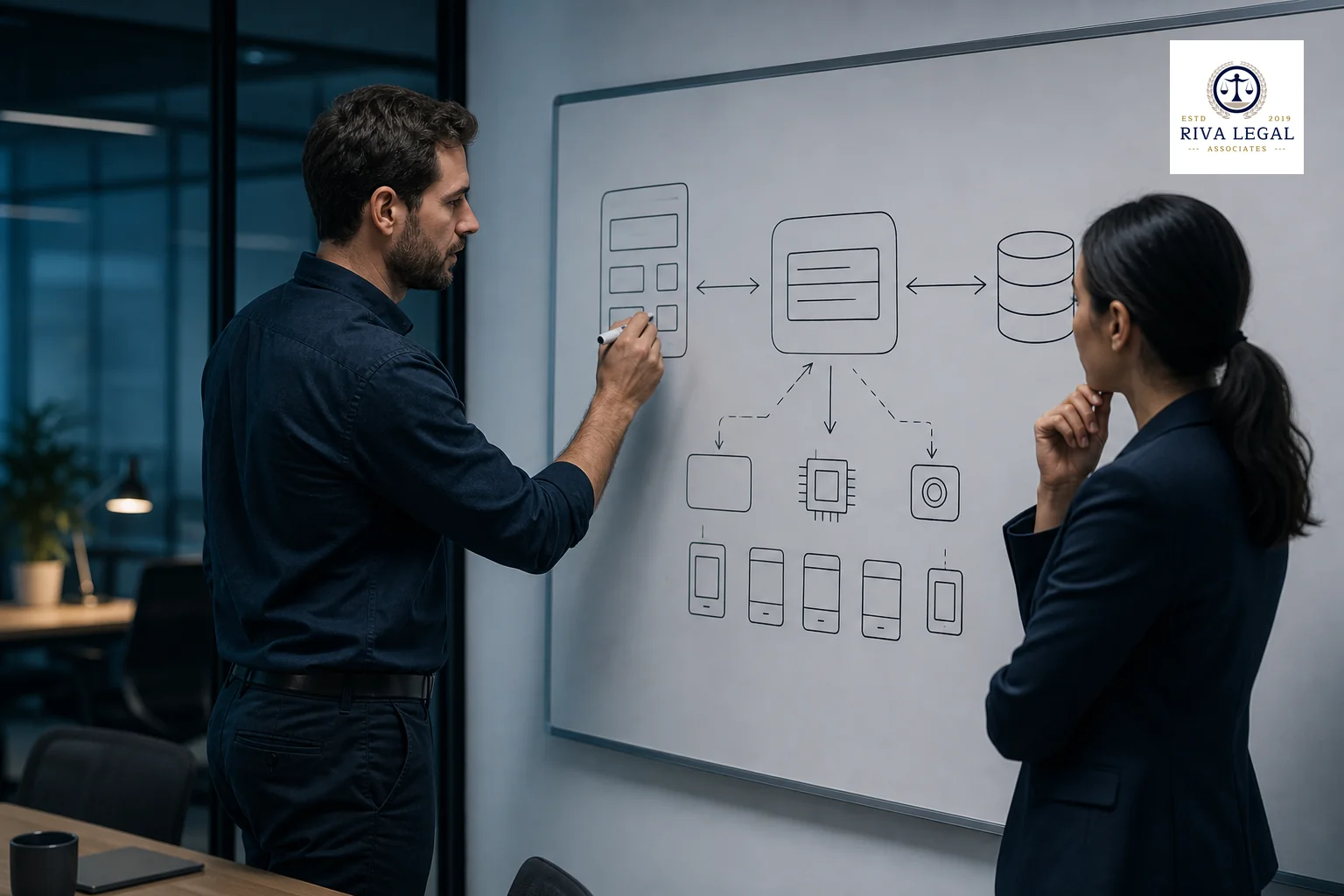
A streaming or gaming platform often has several patentable components: a client-side app, backend infrastructure, and sometimes a device. Filing separate applications for each, where each stands on its own technical merit, multiplies both government and professional fees rather than sharing a single cost.
Cross-Border Considerations for Platforms Operating Outside India
A platform serving users in multiple countries may need to consider filing routes such as the Patent Cooperation Treaty for later national-phase entry abroad. Each additional jurisdiction carries its own government fees and local counsel costs, which sit outside the scope of an India-only filing budget.
How Examination Stage Affects Cost and Timeline
Prosecution cost rises in step with how far an application has to go before grant, since a request for examination, a first examination report, one or more responses, and possibly a hearing each carry their own professional time. In India, this sequence commonly extends over several years from filing to grant, and no fixed date can be assured in advance.
The request for examination must be filed within the statutory period after the filing date; missing it can result in the application being treated as withdrawn. Once examination begins, the applicant typically has a set window to respond to the first examination report. Entertainment technology applications touching on algorithms or interactive software frequently need more than one round of response before objections are cleared, and each round adds to the professional fee running total. Budget planning for this sector should treat the examination and response stage, not the initial filing, as the larger and less predictable cost component.
Patent Agent vs Patent Attorney for Technical Drafting
A registered patent agent under the Patents Act, 1970 is qualified to draft specifications, file applications, and represent applicants before the Indian Patent Office, while a patent attorney is also an enrolled advocate who can additionally appear in court proceedings related to patent disputes. For entertainment technology inventions where the claims turn on precise technical wording, involving someone with both the technical background and drafting experience in the relevant field is a relevant consideration.
The distinctions between these two roles, and what each is authorised to do, are set out in a separate Patent Agent vs Patent Attorney in India article. That comparison is a useful starting point before selecting who drafts a technically dense specification for a codec, engine, or signal-processing invention.
Budget Planning: Sequencing Filings Across a Product Roadmap
Filing every patentable feature of a platform at once is rarely the most efficient approach for an early-stage entertainment technology company. Staggering applications as features mature, and as budget allows, can spread cost over time rather than concentrating it at a single funding stage.
A provisional specification, filed early to secure a priority date while the invention is still being refined, generally costs less upfront than a complete specification. The complete specification must follow within twelve months, and that stage is where most of the detailed technical drafting cost is incurred. This sequencing lets a startup lock in priority for a codec or engine concept before all its technical details are finalised.
Patent protection also needs coordinating with other IP layers a platform typically carries: a trademark for the brand or app name, and copyright that arises automatically in original software code, user interfaces, and audiovisual content. The differences between what each of these protects, and when each applies, are addressed in Trademark vs Copyright vs Patent: What Your Business Needs. Treating these as one coordinated filing plan, rather than separate ad hoc decisions, tends to keep overall legal spend more predictable across a product roadmap.

Frequently Asked Questions
Can a streaming algorithm be patented in India?
A streaming algorithm can be patented in India only if it demonstrates a technical effect beyond a computer programme "as such" under Section 3(k) of the Patents Act, 1970, such as a specific method that measurably improves compression or transmission efficiency.
Whether a given algorithm clears this threshold is assessed case by case during examination, and no general assurance can be given without reviewing the specific invention and its claims.
How long does patent prosecution take for a software-linked invention?
Prosecution timelines for software-linked entertainment technology inventions in India commonly extend across several years from filing to grant, largely because of the examination queue and the likelihood of multiple objection-response cycles under Section 3(k).
The exact duration depends on when the request for examination is filed, how quickly responses are prepared, and whether a hearing before the Controller becomes necessary.
Does entertainment technology qualify for the DPIIT startup fee rebate?
An entertainment technology company qualifies for the reduced government patent fee available to DPIIT-recognised startups on the same basis as any other sector, provided it holds valid DPIIT recognition at the time of filing, regardless of whether the invention relates to streaming, gaming, or AV tools.
The mechanics of this rebate, including the specific reduced fee slabs, are addressed in the Patent Filing Cost & Process in India 2026 guide rather than repeated here.
For background reading on how patent office procedure works end to end, the Indian Patent Office's own process is outlined in the Patent Application Procedure India article, and general orientation on the Act itself is available from the Office of the Controller General of Patents, Designs and Trade Marks. Readers researching the underlying statutory text can consult the Patents Act, 1970 on the India Code portal. One point that remains genuinely unsettled across this sector is how consistently examiners will treat borderline algorithmic claims in gaming and streaming as the case backlog is worked through; that consistency is not something any firm can predict with certainty at present.
This content is published for general information only. It is not legal advice, an advertisement, or a solicitation of work, and reading it does not create an advocate-client relationship. In keeping with the Bar Council of India Rules, Riva Legal Associates does not solicit work or advertise.