
Trademark Class 25 for Clothing Brands: Scope and Common Pitfalls
Trademark class 25 covers clothing, footwear and headwear: finished articles worn on the body, such as shirts, trousers, saris, shoes and caps. A class 25 filing does not extend to fabric (class 24), bags and leather goods (class 18) or the retail store (class 35), so many fashion brands in India, including those in Jaipur, file in more than one class.
Key Takeaways
- Scope: Class 25 protects the mark for finished clothing, footwear and headwear only, and only for the goods named in the specification.
- The 18 and 24 boundary: Fabric by the metre, bed linen and towels sit in class 24; trunks, travelling bags and leather goods sit in class 18.
- One filing, several classes: A single application can name more than one class, but the government fee is calculated per class, so each added class adds to the cost.
- Objection triggers: Wrong class selection, a vague or overbroad list of goods, a mark that resembles an earlier one, and a mismatch between the logo filed and the logo used are common causes.
- Check before filing: A public search of the register and a goods list written product by product reduce avoidable objections.
Trademark Class 25 at a Glance
| Item | What to know |
|---|---|
| What class 25 covers | Clothing, footwear and headwear, including parts of clothing and footwear |
| Classification system | Nice Classification: 45 classes, of which 34 are goods and 11 are services |
| Fabric and household textiles | Class 24 (fabric by the metre, bed linen, curtains, towels) |
| Bags, trunks and leather goods | Class 18 |
| Online or physical store | Retail services fall under class 35, not class 25 |
| Government fee, e-filing, per class | ₹4,500 for individuals, startups and small enterprises; ₹9,000 for other applicants |
| Reply window after an examination report | 30 days from the date of the report |
What Does Trademark Class 25 Cover?
Trademark class 25 covers clothing, footwear and headwear: finished articles that people wear, such as shirts, trousers, saris, shoes and caps. India follows the Nice Classification, so the class applies to goods only, not to fabric, bags or the retail shop that sells the garments. Parts of clothing and footwear also sit here.
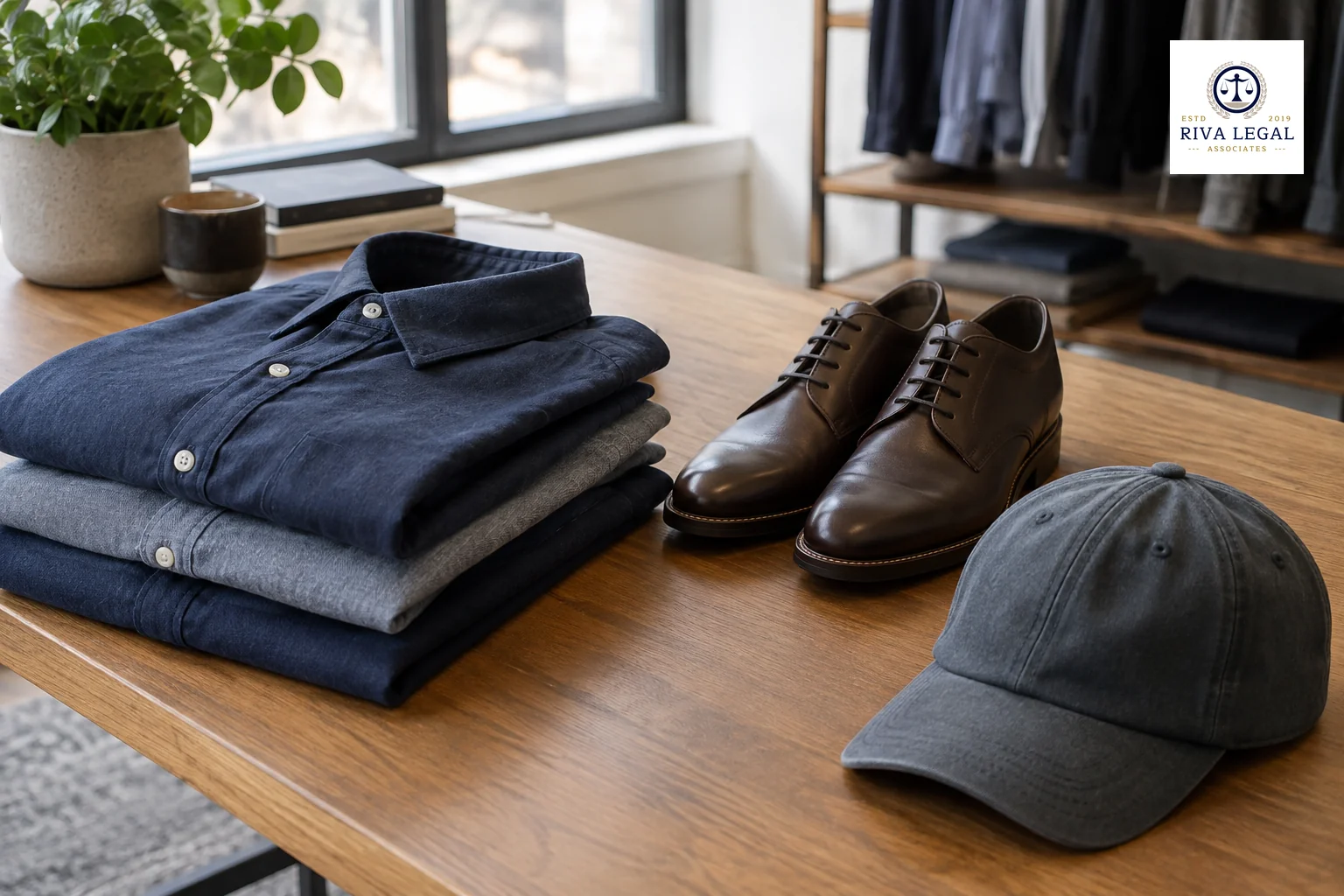
India applies the Nice Classification, which has 45 classes: 34 for goods and 11 for services. Class 25 is a goods class. The IP India portal also publishes a class details page that lists the class headings an applicant can check before choosing.
Typical goods that belong in class 25
The class follows one idea: the item is a finished article of wear. How it is made, and from what material, does not decide the class. A leather belt worn with trousers is still treated as clothing for classification purposes in the ordinary course, while a handbag is not.
- Garments: shirts, T-shirts, trousers, jeans, kurtas, saris, dresses, jackets, sportswear and nightwear
- Footwear: shoes, sandals, sports shoes and slippers
- Headwear: caps, hats, turbans and headbands
- Smaller wearables: socks, hosiery, scarves, ties, gloves for wear and belts
- Parts of clothing and footwear: collars, sleeves, soles and heels
Some wearable items sit elsewhere because their purpose is different. Protective gear, spectacles and jewellery, for example, are classified by function and not as everyday clothing. The class heading is a starting point; the Registry reads the actual list of goods you write.
Goods versus services
Class 25 protects the mark when it is used on the garment itself: the label, the hang tag, the print on the product. It does not protect the name of a boutique, a website that sells garments, or a tailoring service. Those are services, and they are classified separately. Our note on trademark class 35 explains where retail and marketing services sit.
How Does Class 25 Differ from Classes 18 and 24?
Class 25 holds finished clothing, footwear and headwear. Class 24 holds textiles, such as fabric by the metre, bed linen, curtains and towels. Class 18 holds leather and imitation leather goods, such as trunks, travelling bags, animal skins and hides. A simple test is whether the product is worn, woven as cloth, or carried.
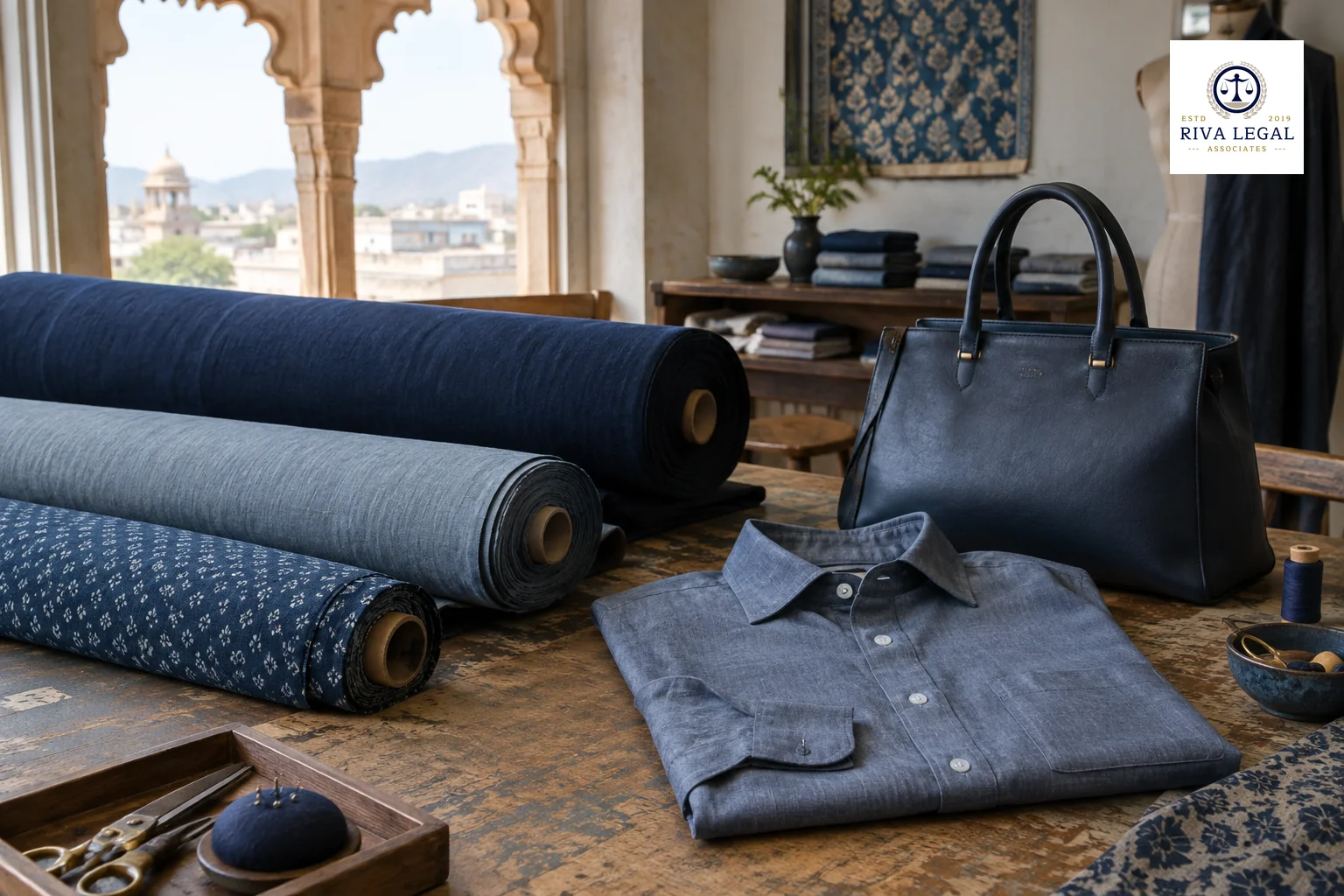
The most frequent mix-up is between classes 24 and 25. Cloth is class 24. A garment stitched from that cloth is class 25. A brand that prints and sells fabric by the metre and also sells stitched kurtas is selling two different categories of goods, and the register treats them that way.
| Product | Class | Reason |
|---|---|---|
| Kurta, shirt, dress, sari | 25 | Finished garment |
| Sports shoes, sandals | 25 | Footwear |
| Cap, hat, turban | 25 | Headwear |
| Printed fabric by the metre | 24 | Textile, not yet a garment |
| Bed linen, curtains, towels | 24 | Household textile goods |
| Handbag, travelling bag, trunk | 18 | Leather or imitation leather goods and bags |
| Online clothing store | 35 | Retail service |
Where the boundary gets blurred
Some products sit on the edge. A cotton tote bag is a bag, so a founder might assume class 24 because it is made of cloth. Classification looks at what the product is, which usually points to the bag category. A dupatta is a scarf-type wearable and fits with clothing, whereas an unstitched length of dupatta fabric sold by the metre looks more like a textile.
When a product could fit two classes, the safer approach is to read the explanatory notes for each class on the official portal, then decide whether the brand genuinely sells in both categories. If it does, filing in both is a legitimate choice, not a workaround.
Does One Class 25 Filing Cover a Whole Fashion Brand?
No. A class 25 registration covers only the clothing, footwear and headwear goods named in it. Fabric, bags, accessories and retail services belong to other classes. An application can name several classes, but the fee is charged per class, so a brand selling across categories usually files in each class it trades in.
A single trade mark application may be made for goods or services in one or more classes, as the IP India guidance on filing explains. The applicant must specify the goods or services in relation to which the application is made. That specification, not the brand's general reputation, defines the protection.
Classes a fashion brand commonly considers
- Class 25: garments, footwear and headwear sold under the mark
- Class 18: handbags, wallets, travelling bags and other leather or imitation leather goods
- Class 24: fabric, bed linen and other textile goods the brand sells
- Class 35: the online or physical retail store and related marketing services
- Other classes: jewellery, eyewear, cosmetics or buttons and trimmings, if the brand actually sells them
Not every brand needs every class. A label that sells only stitched menswear may reasonably start with class 25. A label that sells kurtas, tote bags, fabric lengths and runs its own web store has four distinct categories of trade.
A hypothetical example with the government fee
Suppose a Jaipur founder runs a small label selling block-printed kurtas and dupattas, leather-look tote bags and printed fabric by the metre, through her own website. This is an illustration, not a real client. The brand trades in four categories: class 25, class 18, class 24 and class 35.
The IP India fee schedule sets the e-filing government fee at ₹4,500 per class for individuals, startups and small enterprises, and ₹9,000 per class for other applicants. For four classes, that is ₹18,000 for the first group and ₹36,000 for the second. Professional charges are separate and are not covered in this article.
The founder could instead file in class 25 alone, at ₹4,500 for a small applicant. The trade-off is plain: lower cost now, but no registered protection on the bags, the fabric or the store service. Which route is sensible depends on how much of the revenue and brand value sits in each category, and on whether others already use similar names in those classes.
For a wider view of the sector, see our guide to trademark protection for fashion brands in India, which covers logos, labels and brand names beyond classification alone.
Common Filing Errors That Lead to Objections
An examination report is the Registry's written statement of objections. Some objections concern the mark itself, such as a clash with an earlier mark. Others concern how the application was prepared. The second group is avoidable, and apparel applications show the same patterns repeatedly.
1. Choosing the class by material, not by product
Founders often classify by what the product is made of. A cotton garment is not a class 24 product just because cotton is a textile. The question is what the buyer receives: a garment, a bag or a length of cloth. Filing a garment brand under class 24 means the registration would protect the wrong goods.
2. Writing a vague or overbroad list of goods
The IP India guidance notes that a specification should name the goods for which registration is sought. Listing "all goods in class 25" or "fashion products" invites a request to clarify. A list that names garments, footwear and headwear the brand actually sells, or genuinely intends to sell, is cleaner and easier to defend.
The opposite error also occurs. A list that is too narrow, naming only "men's cotton shirts", leaves a later expansion into dresses or shoes unprotected. A reasonable specification covers the current range and the near-term plans, and no more.
3. Claiming goods the brand does not sell
Adding footwear, perfumes or jewellery "just in case" can weaken an application. An application must reflect a genuine use or a real intention to use the mark. Padding the list also widens the field of earlier marks the examiner may cite against it. It is better to file additional classes later when the product line grows.
4. Skipping the public search
Class 25 is heavily used, and clothing names often resemble each other. The Registry examines applications against earlier marks, so a name that sounds close to an existing apparel mark can draw an objection or a later opposition. The official trade mark public search lets an applicant check for similar names before paying any fee. Search by sound and spelling variants, not just the exact name.
5. Descriptive or common words in the brand name
Names that simply describe the goods, a fabric, a style, or the place of manufacture, are harder to register on their own. A name like "Cotton Classics" for cotton shirts describes the product and is open to objection. A coined or distinctive word usually faces fewer difficulties, although distinctiveness is assessed case by case.
6. Mismatch between the filed mark and the mark in use
Apparel brands change logos often. If the application shows one logo and the labels carry a different arrangement of the name, symbol and tagline, the registration may not match what the market sees. File the mark as it will actually appear on labels and hang tags, and decide whether to file the word, the logo, or both. Our guide on choosing among all 45 trademark classes covers class selection in general terms.
7. Wrong applicant details or fee category
The applicant named must be the legal owner of the brand: the individual, the firm or the company that will use it. Naming a designer or a family member who does not own the business creates ownership questions later. The fee category matters too. An applicant that does not qualify as a startup or small enterprise cannot pay the lower rate without supporting proof.
8. Missing the reply deadline
An objection is not a rejection. It is a request for a reply, and it has a time limit. The applicant should note the date on the examination report on the day it arrives. Our guide to the trademark objection reply format and 30-day deadline covers what a reply usually contains. What the Registry decides after a reply is outside the applicant's control, and no filing can promise a particular outcome.
A Pre-Filing Checklist for Apparel Founders
Use the checklist below to prepare the facts before any application is drafted. Each item states what a good answer looks like and what should make you pause.

- List every product you sell or will sell in the next two years. Pass: each product is named individually (for example, women's kurtas, canvas shoes, baseball caps). Pause: the list says only "clothing and accessories".
- Sort each product into garment, footwear, headwear, textile, bag or other. Pass: every item has one clear category. Pause: an item that could fit two classes, which needs a closer read of the class notes.
- Decide which classes the brand actually trades in. Pass: a class is included only when there are real or planned sales in it. Pause: classes added for hypothetical products.
- Search the public register for the name and its sound-alikes. Pass: no identical or confusingly similar mark in the same or related classes. Pause: a similar apparel mark already registered or pending, which warrants an assessment before filing.
- Check that the name is distinctive. Pass: a coined or arbitrary word. Pause: a word that describes the fabric, the style or the place.
- Fix the artwork. Pass: the logo or wordmark to be filed is the one printed on labels. Pause: a logo still being redesigned.
- Confirm the owner and fee category. Pass: the legal owner of the business is the applicant, and the category (individual, startup, small enterprise or other) is documented. Pause: ownership shared informally.
- Diarise the post-filing dates. Pass: the examination report date and the reply window are tracked from receipt.
For the full filing sequence, the trademark registration procedure in India sets out the stages from application to registration.
Considerations for Jaipur and Rajasthan Apparel Businesses
Jaipur has a long tradition in block printing, textiles, ethnic wear and leather goods, so many local labels straddle classes 18, 24 and 25 from the start. A brand that sells printed fabric, stitched kurtas and leather juttis is a common profile here, and the classification question is real, not theoretical.
IP India notes that the Registry office is determined by the applicant's principal place of business in India, or by the address for service stated in the application, in line with the Trade Marks Act, 1999 and the Trade Marks Rules. The applicant's address details therefore need to be accurate on day one. The IP India office locations page lists the offices.
Apparel businesses in Rajasthan often sell nationally through marketplaces and wholesale buyers in other states. A mark registered for the whole of India, not used in one local market, is the normal basis of protection. Where a dispute arises in another state, representation is arranged through local counsel; our firm's practice from its chambers in Jaipur has been to work with associated local counsel in such cases.
Frequently Asked Questions
Are shoes and sandals covered by trademark class 25?
Yes. Class 25 covers footwear, which includes shoes, sandals and sports shoes, along with headwear such as caps. Protective or specialised items, such as safety footwear, may fall in a different class, so the specification should name the exact goods the brand sells rather than rely on the general heading.
Can a clothing brand file only in class 35 for its online store?
A class 35 filing protects retail services, not the garments. If the brand name appears on the clothes themselves, class 25 is the class that covers them. Many online sellers need both: class 35 for the store service and class 25 for the goods that carry the mark.
How long does an applicant have to reply to an objection?
The applicant generally has 30 days from the date of the examination report to submit a written reply and, if needed, ask for a hearing. Missing the window can leave the application treated as abandoned, so the report date should be noted the day it is received.
Does registration in class 25 stop others from using a similar name on clothes?
Registration gives the owner the statutory right to use the mark for the registered goods and to act against infringement. Whether a particular similar name infringes depends on the facts, including similarity of marks and goods. Our note on what to do if someone copies your mark explains the general framework.
Where This Leaves an Apparel Founder
Class 25 is the natural home for a clothing label's core products, but it is only one part of a fashion brand's trade. The decision on additional classes turns on what the brand actually sells, and that is a business question before it is a legal one.
One matter stays unsettled in practice: how an examiner will treat a borderline product, such as an accessory that could sit in class 18 or class 25. Reading the official class notes, searching the register and writing a product-by-product list of goods cover most of the preparation. The Trade Marks Act, 1999, the Trade Marks Rules, 2017 and the IP India portal remain the authoritative references for any filing.
This content is published for general information only. It is not legal advice, an advertisement, or a solicitation of work, and reading it does not create an advocate-client relationship. In keeping with the Bar Council of India Rules, Riva Legal Associates does not solicit work or advertise.