
Trademark Class List in India: All 45 Classes and How to Choose
The right trademark class is the one that matches, in the Trade Marks Registry's own wording, the specific goods or services your brand actually sells, not the category that sounds closest. A trademark class finder in India works best when you search the official classification database by keyword before you file, because the class number determines exactly what your registration will and will not protect.
Key Takeaways
- 45 total classes: Classes 1 to 34 cover goods, classes 35 to 45 cover services, under the NICE Classification system that India's Trade Marks Registry follows.
- Wrong class, weak protection: A registration only protects the class and specification actually filed; a similar mark used in a related but unclaimed class can still operate without infringing your rights.
- Multi-class filing costs more upfront: Each class in an Indian trademark application attracts a separate government fee, so a three-class filing costs roughly three times a single-class one.
- Free official tools exist: The IP India portal's classification search and WIPO's Madrid Goods and Services Manager both let you check class allocation before filing, at no cost.
- Borderline goods need judgment: Software, retail services, consulting, and hybrid product-service offerings are the categories most often misclassified by first-time applicants.
At a Glance: Trademark Classification Under NICE
| Aspect | Detail |
|---|---|
| Total classes | 45 (Classes 1-34 goods, 35-45 services) |
| Governing framework | NICE Classification, administered internationally by WIPO, adopted by India's Trade Marks Registry |
| Free search tools | IP India classification search, WIPO Madrid Goods & Services Manager |
| Filing structure | India permits multi-class applications in a single filing, or separate single-class applications |
| Government fee | Charged per class, not per application (check current fee schedule on the IP India portal) |
| Common misclassification risk areas | Software vs SaaS, e-commerce/retail services, restaurants vs packaged food, subject-specific consulting |
| Consequence of wrong class | Registration protects only the filed class/specification; related but unclaimed classes remain open to others |
| Who typically needs legal review | Brands with hybrid offerings, multi-jurisdictional operations, or NRI ownership structures |

Trademark Class List: All 45 Classes at a Glance
India's Trade Marks Registry follows the NICE Classification. Classes 1 to 34 cover goods and classes 35 to 45 cover services. The headings below are short summaries; always confirm the exact term for your goods or services in the official classification search before filing.
| Class | Covers (summary) |
|---|---|
| 1 | Chemicals for industry, science and agriculture |
| 2 | Paints, varnishes, colourants |
| 3 | Cosmetics, toiletries, cleaning preparations |
| 4 | Industrial oils and greases, fuels, candles |
| 5 | Pharmaceuticals, medical and veterinary preparations |
| 6 | Common metals and metal goods |
| 7 | Machines and machine tools |
| 8 | Hand tools and cutlery |
| 9 | Scientific apparatus, computers, downloadable software |
| 10 | Medical and dental apparatus |
| 11 | Lighting, heating, cooking, refrigerating and sanitary apparatus |
| 12 | Vehicles |
| 13 | Firearms and fireworks |
| 14 | Jewellery, precious metals and stones, watches |
| 15 | Musical instruments |
| 16 | Paper, printed matter, stationery |
| 17 | Rubber and plastics in semi-processed form, insulating materials |
| 18 | Leather goods, bags, umbrellas |
| 19 | Non-metallic building materials |
| 20 | Furniture, mirrors, frames |
| 21 | Household and kitchen utensils, glassware, porcelain |
| 22 | Ropes, tents, sacks, raw fibres |
| 23 | Yarns and threads for textile use |
| 24 | Textiles, bed and table covers |
| 25 | Clothing, footwear, headwear |
| 26 | Lace, ribbons, buttons, haberdashery |
| 27 | Carpets, rugs, mats, wall hangings (non-textile) |
| 28 | Games, toys, sporting goods |
| 29 | Meat, fish, dairy, preserved foods, edible oils |
| 30 | Coffee, tea, rice, flour, bakery goods, spices |
| 31 | Agricultural produce, fresh fruit and vegetables, live animals, animal feed |
| 32 | Beer, non-alcoholic beverages |
| 33 | Alcoholic beverages (except beer) |
| 34 | Tobacco and smokers' articles |
| 35 | Advertising, business management, retail and e-commerce services |
| 36 | Insurance, financial and real estate services |
| 37 | Construction, repair and installation services |
| 38 | Telecommunications |
| 39 | Transport, packaging, storage, travel arrangement |
| 40 | Treatment of materials, custom manufacturing |
| 41 | Education, training, entertainment, sporting and cultural activities |
| 42 | Scientific and technological services, software design, SaaS |
| 43 | Restaurants, cafes, catering, temporary accommodation |
| 44 | Medical, beauty, agricultural and horticultural services |
| 45 | Legal, security, personal and social services |
For Jaipur's craft, textile and jewellery businesses, the classes that come up most often are 14 (jewellery), 18 (leather goods and bags), 24 (textiles), 25 (clothing) and 27 (rugs and carpets), plus class 35 when the same brand also runs a shop or online store.
What the NICE Classification System Actually Is
Every country that registers trademarks needs a way to sort goods and services so that two unrelated businesses can use similar names without colliding. India solved this by adopting the NICE Classification, an international system administered by the World Intellectual Property Organization (WIPO) and used by over 90 countries. It divides all commercial activity into 45 classes: numbers 1 through 34 cover physical goods, from chemicals and machinery to clothing and furniture, while numbers 35 through 45 cover services, from advertising and finance to education, legal services, and scientific research.
India's Trade Marks Registry updates its classification practice in line with the current edition WIPO publishes, so the boundaries of each class shift slightly over time as new technologies and business models emerge. A term that fit comfortably in one class a decade ago, cloud storage is a good example, may now sit differently once the Registry issues updated explanatory notes. This is one reason a static list downloaded years ago is not a reliable substitute for checking the live database.
Each class is described by a short official heading plus a much longer alphabetical list of specific goods or services that the Registry recognises as falling within it. Filing under "Class 9" alone, without specifying software, scientific instruments, or whichever item actually applies, tends to invite an objection asking for clarification. Precision at the specification level matters as much as picking the right class number.
1. Identify What You Are Actually Selling
Before opening any search tool, write down everything the brand touches commercially, not just the flagship product. A founder launching a skincare line might only think of "cosmetics" and miss that the business also plans to sell an app for skin diagnostics, run in-person consultations, or license the brand to a manufacturing partner. Each of those activities can sit in a different class.
Founders commonly under-describe their business at this stage. A software company that also offers implementation consulting, training, and support subscriptions is really operating across at least two classes: one for the software product itself and another for the associated services. Missing the second class does not stop the business from operating, but it does mean the registration will not cover that side of the brand if a dispute arises later.
A useful exercise is to list, in plain language, every way a customer pays the business money. Each revenue line is a candidate for its own classification check, even if several end up sharing a single class once the search is done.
2. Use the Official Trademark Class Finder Tools
India's IP India e-filing portal hosts a classification search tool that lets an applicant type in a good or service and see which class the Registry has assigned it to, based on the current NICE edition. This is the closest thing to an authoritative trademark class finder in India, because it reflects the Registry's own working list rather than a third-party interpretation.
A second useful cross-check is WIPO's Madrid Goods and Services Manager, a free multilingual database that lets you search pre-approved terms across the full NICE Classification. It is particularly useful for businesses that may eventually seek protection outside India through the Madrid Protocol system, since terms accepted there tend to align cleanly across member jurisdictions.

Searching by keyword rather than guessing by category is the discipline that separates a careful filing from a rushed one. Typing "software" into the class finder, for instance, will return results spread across class 9 (downloadable software, recorded on a medium) and class 42 (software as a service, cloud computing), which are genuinely different classes with different implications for how a SaaS business should file. Running the actual term through the tool avoids the guesswork.
These free portals narrow the decision but do not replace judgment on genuinely borderline goods. The Registry's own examiners exercise discretion when a description sits at the edge of two classes, and an applicant who has not thought through the reasoning in advance is more likely to receive an examination report asking for amendment. This is the point at which many founders choose to have the specification reviewed before filing rather than after an objection arrives. For a fuller walkthrough of the filing sequence itself, see how to register a trademark for startups in India.
3. Watch for Common Classification Traps
Certain categories generate a disproportionate share of classification questions in Indian filings. Recognising them in advance saves a filing cycle.
- Software vs SaaS: Packaged, downloadable, or recorded software generally sits in Class 9. A subscription-based platform delivered over the internet, where the customer never receives a copy of the software itself, is typically treated as a Class 42 service.
- Retail and e-commerce: Running a retail store or online marketplace is itself a Class 35 service (bringing together goods for the convenience of customers), separate from whatever class the goods being sold actually belong to. A business selling furniture online may need both the goods class and Class 35 for the retail activity.
- Food and hospitality: Restaurant, café, and food delivery services fall under Class 43, while packaged or manufactured food products sit in Classes 29 or 30 depending on composition. A packaged snack brand that also runs a café under the same name needs both.
- Consulting and professional services: Consulting is not a single catch-all class. It is classified by subject matter, so business consulting, technology consulting, and legal consulting each fall in different classes depending on the field advised on.
These distinctions are exactly where a generic online search engine or an assumption based on a competitor's filing can mislead an applicant. Two businesses that look similar from the outside, a restaurant chain and a packaged food brand, may need entirely different class combinations depending on what they actually sell under the mark.
4. Decide Between Single-Class and Multi-Class Filing
India's trademark system allows an applicant to file for multiple classes within a single application, or to file separate single-class applications for the same mark. Each approach carries different trade-offs, and the right choice depends on how the business is structured and how confident the applicant is about each class.
| Factor | Single-Class Filing | Multi-Class Filing |
|---|---|---|
| Government fee structure | One class fee per application | Fee charged per class, all within one application |
| Administrative complexity | Lower; one class to track and defend | Higher; examiner may raise different objections per class |
| Risk if one class is objected to | Objection affects only that filing; other classes unaffected if filed separately | Objection to one class does not usually block registration of the unopposed classes in the same application, but the overall matter stays open longer |
| Best suited for | A business with one clear product or service line | A brand already operating, or planning to operate, across goods and services simultaneously |
| Renewal tracking | Simple; one class, one renewal date | Still one renewal date, but covering a wider bundle of rights to review at renewal |
A useful middle path many growing brands use is to file for the classes they are confident about now, and add further classes through fresh applications as the business genuinely expands into them, rather than over-filing speculatively across classes with no real commercial activity yet. Filing in a class with no bona fide intention to use the mark there can itself create vulnerabilities later.
5. Understand Why the Wrong Class Weakens Protection
A trademark registration in India protects the mark only within the class and the specific goods or services description actually filed. This is easy to state and easy to underestimate in practice. A business that registers its mark in Class 25 for clothing has no automatic registered right if an unrelated party starts using a similar name in Class 21 for kitchenware, even if both are consumer products sold through similar retail channels.
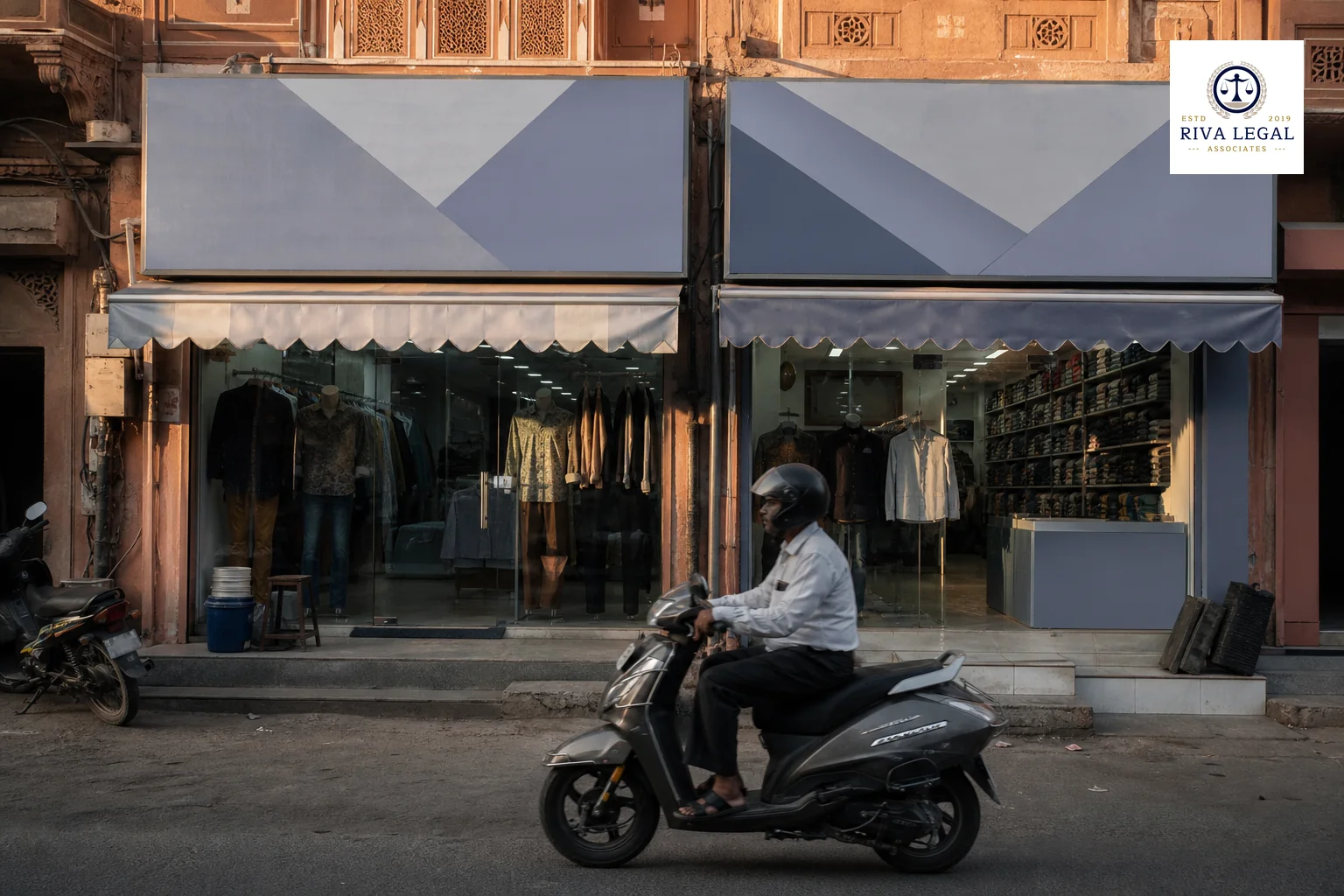
This gap becomes most visible during opposition or infringement proceedings, where the class actually registered is one of the first things examined. A registration that sits in the wrong class, or one that describes the goods too narrowly, gives a court or the Registry less to work with when deciding whether a rival's use genuinely overlaps with the registered owner's rights. Well-known marks receive somewhat broader protection under Indian law even across dissimilar classes, but that status is reserved for marks with substantial recognition and is not something a newly registered brand can rely on. For businesses dealing with a live dispute over an existing registration, the practical steps involved are covered in a related discussion on trademark protection for fashion brands in India, which walks through how classification interacts with enforcement in a sector where lookalike products are common.
The safer approach is to think of the classification decision as part of the protection strategy itself, not an administrative afterthought completed just to submit the form. A specification drafted narrowly to save on fees today can leave the exact gap a competitor later exploits.
6. When to Bring in an IP Attorney for Classification
The free tools described above are genuinely useful for a first pass, and many straightforward businesses, a single product sold under one clear category, can complete the classification step with reasonable confidence on their own. The cases that benefit from professional review tend to share a few features: the business offers a hybrid of goods and services under one mark, it operates or plans to operate in more than one Indian state, it has an NRI ownership or investor structure with cross-border considerations, or the goods sit close to a class boundary where examiner discretion is likely.
Richa Vaishnav, principal advocate and a Registered Patent Agent at Riva Legal Associates, has over ten years of experience in patent and trademark prosecution across technology, life sciences, and chemistry sectors, work that regularly involves this kind of classification analysis before a filing goes in. Associate counsel Kunal Goyal brings over seven years of IP prosecution and licensing experience across technology, pharma, entertainment, fashion, and e-commerce, sectors where classification questions are especially common given how many hybrid business models now exist.
For founders without an in-house legal function, classification review is often bundled into the broader trademark filing engagement rather than billed as a separate exercise, though standalone specification review is also available for businesses that have already drafted a filing and want a second opinion before submission. Read more on the firm's IP practice page for how trademark, patent, copyright, and design work fits together under one engagement.
Businesses that operate across several Indian states, or that need one point of contact rather than several regional law firms, may also find it useful to review how trademark registration for startups in India is typically sequenced from search through to certificate, since classification is only the first of several steps that need to be got right in order.
Frequently Asked Questions
Can I file in more than one class in a single trademark application in India?
Yes. India permits multi-class applications, where one application covers several classes at once, with the government fee charged per class included. An applicant can also choose to file separate single-class applications instead, depending on how the business is structured.
What happens if I choose the wrong trademark class?
The application may face an examination objection asking for the specification to be corrected, which can delay the process. If the wrong class is missed entirely and the registration proceeds, the resulting protection covers only what was actually filed, leaving the correct class open for others to use or register.
Is the trademark class finder tool on IP India free to use?
Yes. The classification search on the IP India e-filing portal, and WIPO's Madrid Goods and Services Manager, are both free public tools that do not require a paid account to search by keyword.
Can I add a class to my trademark after I have already filed?
Adding a class generally requires a fresh application for that class rather than an amendment to the existing one, since each class carries its own examination and fee. It is worth confirming the current procedural position with a professional before assuming an existing filing can simply be expanded.
Does a registered trademark ever get protection beyond its filed class?
Indian law recognises broader protection for marks that have attained well-known status, extending some protection across dissimilar classes in specific circumstances. This is a high threshold based on established recognition and is not something a newly filed mark can assume it will receive.
Riva Legal Associates is an intellectual property practice at Jagatpura, Jaipur, Rajasthan, led by Richa Vaishnav, advocate and Registered Patent Agent. The areas of practice handled by the firm are listed on its practice areas page, and contact particulars are on the contact page for readers who wish to consult an advocate on their own matter.
The Bar Council of India does not permit advertisement or solicitation by advocates in any form or manner. This article is published for general informational purposes only, at the reader's own request, and should not be interpreted as soliciting or advertisement. It does not constitute legal advice, and reading it does not create a lawyer-client relationship. Readers must in all cases seek independent legal advice on their own facts. Statutory fees, forms and timelines change; verify current requirements with the Office of the Controller General of Patents, Designs and Trade Marks before acting. See the firm's full disclaimer.